








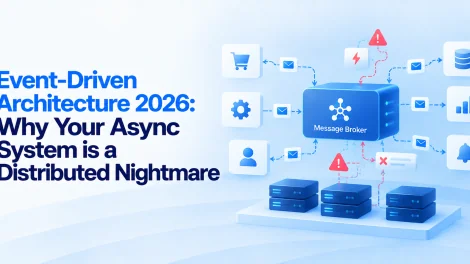
Event-driven architecture looks elegant on a whiteboard. A service publishes an event, another service consumes it, and the system continues without...
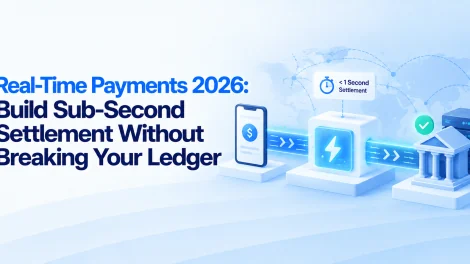
Real-time payments create an uncomfortable backend engineering problem: customers expect money to move almost instantly, while financial systems...
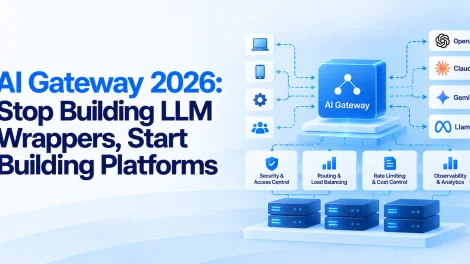
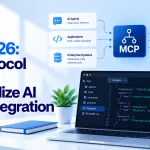
The first generation of AI applications often had a surprisingly simple backend architecture. An application accepted a request, sent it to an LLM...
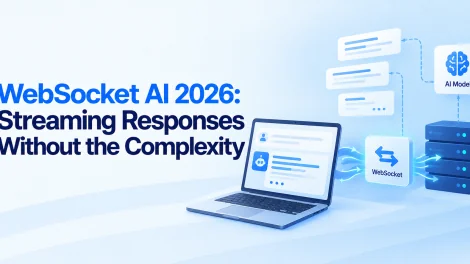
AI applications are becoming increasingly conversational, interactive, and real-time. Users expect an answer to start appearing immediately rather...
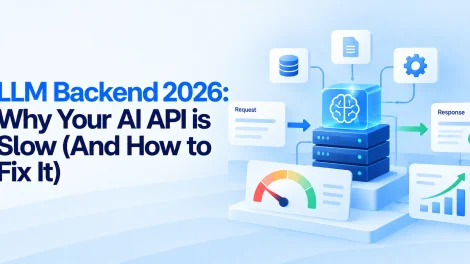
An AI application can use a powerful model and still feel painfully slow. The problem is often not the LLM itself. A production AI request can pass...
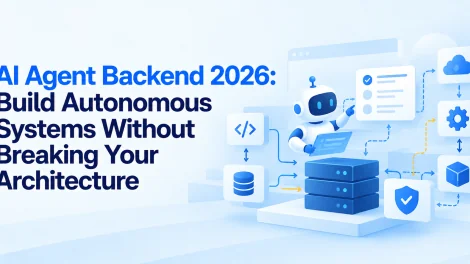
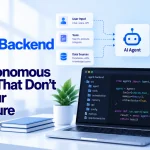
AI agents are changing what software is expected to do. Traditional applications wait for a user request, execute predefined business logic, call a...

GraphQL has become an important API architecture for complex digital products because it gives clients more control over the data they request. That...
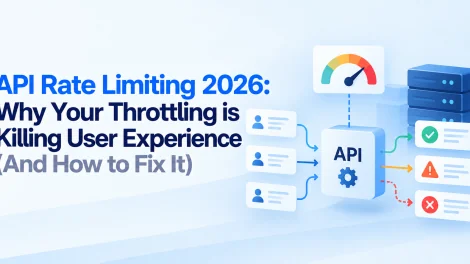
API rate limiting is supposed to protect backend systems. It prevents abuse, controls traffic spikes, protects databases, and keeps one consumer from...
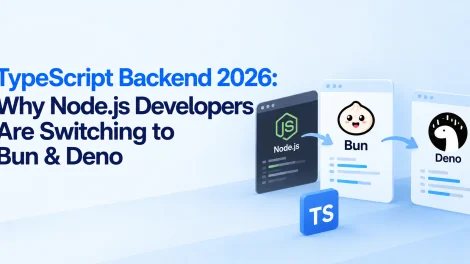
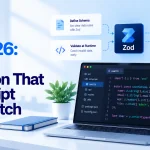
TypeScript has become one of the dominant choices for modern backend development, particularly for teams already building web applications with...
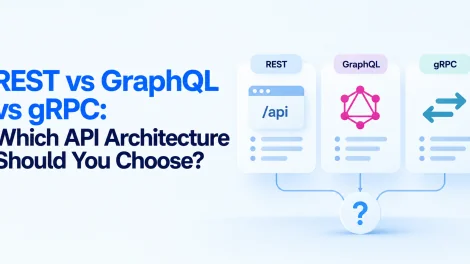
Choosing an API architecture is no longer a simple decision between familiar HTTP endpoints and newer alternatives. Modern backend applications serve...