











Your AI application works perfectly in development. The model produces useful answers, the API returns valid responses, and the initial demo looks promising...
Tag - backend architecture

Real-time payments create an uncomfortable backend engineering problem: customers expect money to move almost instantly, while financial systems still need to...
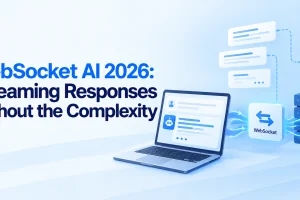
AI applications are becoming increasingly conversational, interactive, and real-time. Users expect an answer to start appearing immediately rather than waiting...
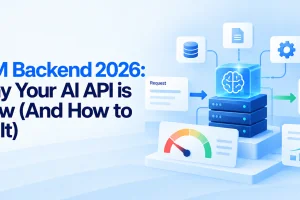
An AI application can use a powerful model and still feel painfully slow. The problem is often not the LLM itself. A production AI request can pass through...

API rate limiting is supposed to protect backend systems. It prevents abuse, controls traffic spikes, protects databases, and keeps one consumer from...
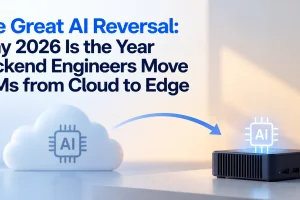
For years, the standard architecture for AI applications was straightforward. The user interacted with a mobile app, browser, or desktop application. That...
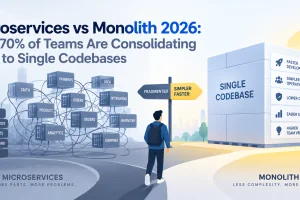
Microservices were supposed to make software easier to scale. Instead, many engineering teams discovered that they had scaled their architecture faster than...

GraphQL changed how developers think about APIs. Instead of maintaining multiple endpoints for different resources, clients could request exactly the fields...

AI has moved from generating text to making decisions, calling APIs, updating records, and triggering workflows. For backend developers, that shift creates a...

AI is changing backend architecture faster than many engineering organizations anticipated. Adding an AI capability to an application rarely means adding a...