







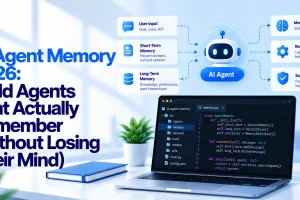
AI agents are becoming more capable, but one problem continues to limit their usefulness in production: memory. An agent can answer a question, execute a...
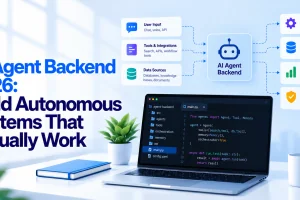
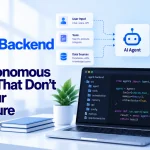
AI agents are moving beyond chat interfaces into applications that can retrieve information, interact with APIs, execute workflows, and make decisions across...
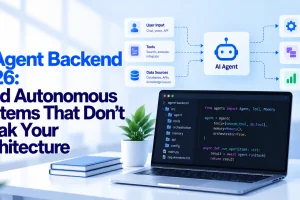
AI agents are changing how modern applications interact with users, APIs, databases, and external services. Instead of responding to a single request and...
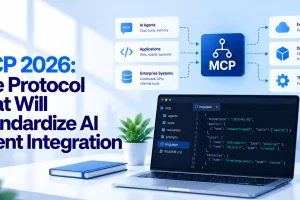
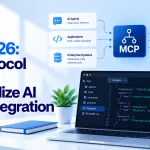
AI agents are moving beyond chat interfaces and into real business workflows. They can retrieve information, interact with APIs, inspect code, query databases...
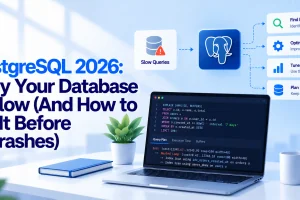
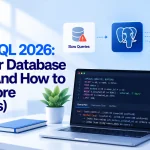
PostgreSQL is a powerful foundation for modern backend applications, from SaaS platforms and financial systems to e-commerce services and data-intensive APIs...
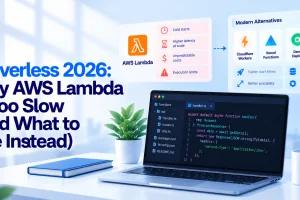
Serverless computing promised backend engineers a simpler way to build scalable applications without managing servers. Instead of provisioning virtual...
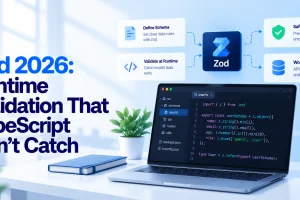
TypeScript has become a standard choice for building modern backend applications. It helps developers catch type errors during development, improves code...
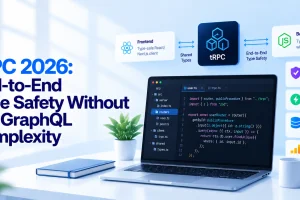
Building a modern backend API involves more than defining endpoints and returning JSON. Frontend and backend teams need to agree on request formats, response...
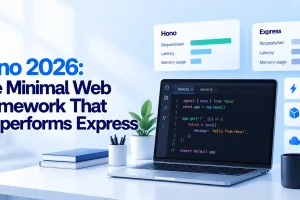
For years, Express has been the default starting point for building Node.js APIs. Its simplicity, middleware ecosystem, and extensive community support made it...
Backend developers have always faced a trade-off when working with databases. Raw SQL offers control and predictable query behavior, but it can become...